UNDERSTAND FORCED MARRIAGE
An eight-part adult course covering choice, pressure, asking for help, safe support, law and evidence.
Start learning →English is the authoritative source. Machine translation changes this website page only; it is not a professionally reviewed translation and does not translate the novel. Confirm safeguarding, legal and emergency information with an official service in your country.
More website languages →Translation and accuracy standard →Freedom Education
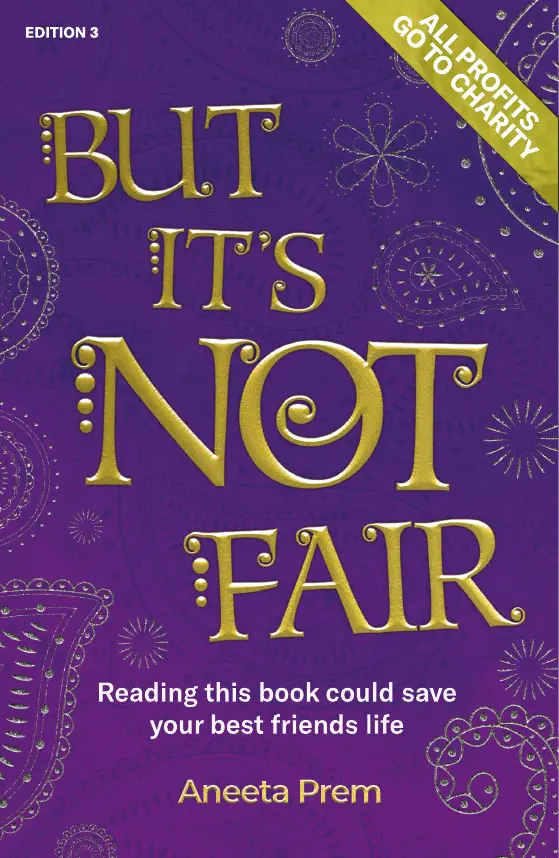
Discuss But It’s Not Fair and explore forced marriage more deeply.
For book clubs, universities, community groups and anyone who wants to understand forced marriage, choice, pressure and prevention.
You do not need to have read the book. Every discussion gives you the information you need.
Nobody should be expected to share a personal experience.
Choose a discussionAn eight-part adult course covering choice, pressure, asking for help, safe support, law and evidence.
Start learning →Discuss the characters, choices and difficult questions raised by But It’s Not Fair.
Start a book-club discussion →Explore forced marriage through law, human rights, safeguarding, sociology, gender and public policy.
Explore university discussions →Use clear scenarios and questions to start thoughtful, safe conversations.
Run a group discussion →Understand forced marriage
20–30 min
Free and full consent, arranged and forced marriage, the England and Wales under-18 position and common myths.
25–35 min
Consequences of refusal, emotional, financial and reputational pressure, dependence and changing consent.
20–30 min
Fear, loyalty, surveillance, immigration, finance, housing, disability and not being believed.
25–35 min
Listen, do not interrogate, do not contact or mediate with family, explain confidentiality and seek safe help.
25–35 min
England and Wales law, FMPOs, official sources and the rule that rights are global while law is local.
25–40 min
Fact, inference, assumption, stereotypes, official statistics, source quality and limits.
60 or 90 min
A facilitated story, evidence, ethics, law, reflection and help session.
30–45 min
A new fictional case, first decision, new information, reconsideration and safer action.
Adult decision lab
A fictional adult says they are frightened about refusing a marriage and asks you not to tell their family. Choose a first response.
Book clubs
The story follows young people trying to understand choice, family pressure, friendship and safe help. Sarina describes restrictions, isolation and pressure around marriage. Abby is frightened about the consequences of a family trip and asks for secrecy. Tara goes to India and does not return; Vinny and Sofia consider different explanations, but their ideas are not proof.
This is enough context to begin. Keep fact, interpretation and what remains unknown separate.
Has this discussion changed what you might notice or do if you were worried about someone?
Different pressures and motives can appear in different cases. None excuses the abuse, and no single factor proves that forced marriage is happening.
Some pressure is tied to family expectations, reputation, long-standing commitments or fear of exclusion.
Money, housing, land, property or financial dependence can become part of the pressure or control.
Migration does not cause forced marriage. But immigration arrangements, overseas family connections, sponsorship, documents or insecure status can sometimes become part of the pressure or control surrounding a marriage.
Forced marriage disproportionately affects women and girls, but men and boys can also be victims. LGBT+ people can face particular pressures where relatives try to control sexuality, relationships or gender identity.
Forced marriage must never be excused as culture or religion. Nor should an entire culture, religion or ethnic group be blamed for abuse committed by individuals or families.
Control may concern who someone marries, whether they marry, education, money, movement, friendships, relationships, sexuality, reputation, documents, communication and the right to say no.
If saying no carries an unbearable price, how free is the choice?
Universities & colleges
“The criminal law can punish forced marriage, but it cannot by itself prevent it.” Discuss.
Use discussion and seminar questions, not personal disclosure or assumptions about anybody’s family or community.
Community & adult groups
Ground rule: Keep the discussion general. Nobody should be expected to share a personal experience.
An adult says they have agreed to a marriage, but refusing would mean losing housing and family contact. Their phone is monitored, and they are unsure whether they can ask for help safely.
What do we know? What remains unknown? What could make help safer without confronting or contacting the family?
Forced marriage has existed across generations and in different parts of the world. Law matters, but changing the law does not automatically change every family expectation, social norm or form of control.
Choose one change that you think could prevent forced marriage before it reaches crisis.
Who needs to act?
What could make that change difficult?
How would you know it was working?