Format · Full interactive lesson
C2
Arranged Marriage and Forced Marriage
You will learn to
- Classify arranged, forced or not enough information using consent.
- Identify the legal distinction for children under 18 in England and Wales.
- Challenge common myths.
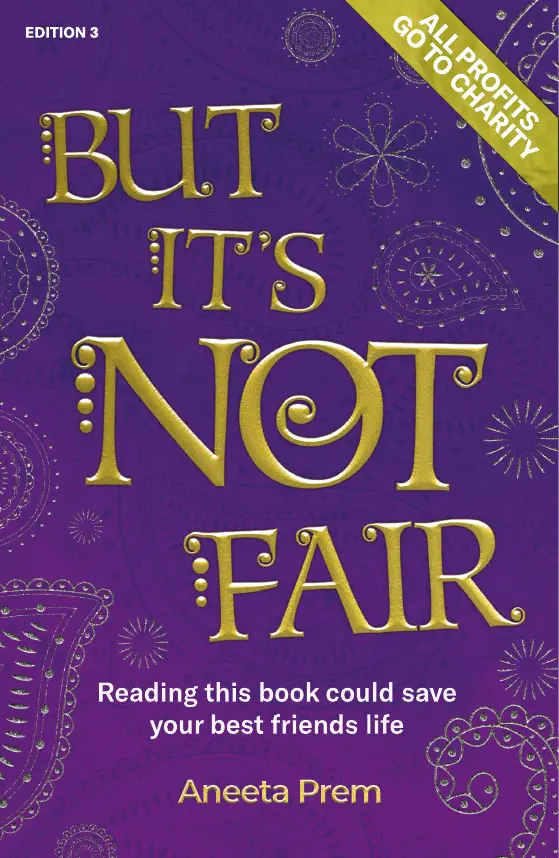
Book and story connection
Book-linked examples are balanced with cases from other contexts to prevent cultural profiling.
Important: fiction creates safe distance and insight. It is not evidence of prevalence.
Teacher View · unique guidance for C2
Audience, time and preparation
Prepare
Audience: Core, ages 13–15. Learner time 50–60 minutes; facilitated time may include discussion and pauses.
Prior learning: Foundation choice, evidence and safer-help principles.
Resources: This online lesson, a projector or individual device, optional printed scenario cards, a private question route and the current Help page. Every selection activity has a non-drag alternative.
Before you teach: Establish a no-disclosure climate, confirm the school safeguarding route and DSL readiness, explain confidentiality boundaries, and ensure nobody contacts or mediates with family where forced-marriage risk is suspected.
Teach
Purpose: Deepen the arranged/forced distinction and introduce jurisdiction-labelled law.
Opening baseline: What is the central difference between arranged and forced marriage?
Ask: What fact shows whether refusal is genuinely possible?
Listen for: Free/full consent, coercion, capacity, under-18 status and uncertainty.
Four distinct activities: baseline, explanatory teaching, application practice, changed-information reassessment and novel transfer.
Respond
Misconception: Arranged means forced, parental consent legalises under-18 marriage, or only violence counts.
Explanatory correction: Use matched cases with the same family involvement but different consent outcomes.
Protect
Safeguarding: No debate about a named pupil’s family practice.
Avoid: Generalising England and Wales law as UK law.
Disclosure response: Thank you for telling me. I’m going to take what you’ve said seriously. I can’t promise secrecy if somebody may be unsafe. I will share only with people who need to help keep you safe.
Adapt & assess
SEND/EAL and reduced-text: Use three classification cards plus an accessible text list.
Stretch: Ask learners to write a neutral question that seeks relevant consent evidence.
Evidence of learning: Deep responses separate adult consent analysis from the England and Wales child rule.
Assessment: Emerging identifies relevant ideas; Secure applies evidence and safer help with a reason; Deep acknowledges ambiguity and revises proportionately.