Access
Reading options
Translate this website page

English is the authoritative source. Machine translation changes this website page only; it is not a professionally reviewed translation and does not translate the novel. Confirm safeguarding, legal and emergency information with an official service in your country.

العربيةবাংলা中文Françaisहिन्दीਪੰਜਾਬੀEspañolSoomaaliاردو
More website languages →Translation and accuracy standard →

Format · Full interactive lesson

Level · CoreFor · ages 13–15Time · 50–60 minutesProgress · Lesson 1 of 8

C1

Choice, Consent and Coercion

You will learn to

  • Distinguish consent from compliance.
  • Explain how consequences of refusal affect whether consent is free.
  • Apply the concept to a new scenario.
Start or continue

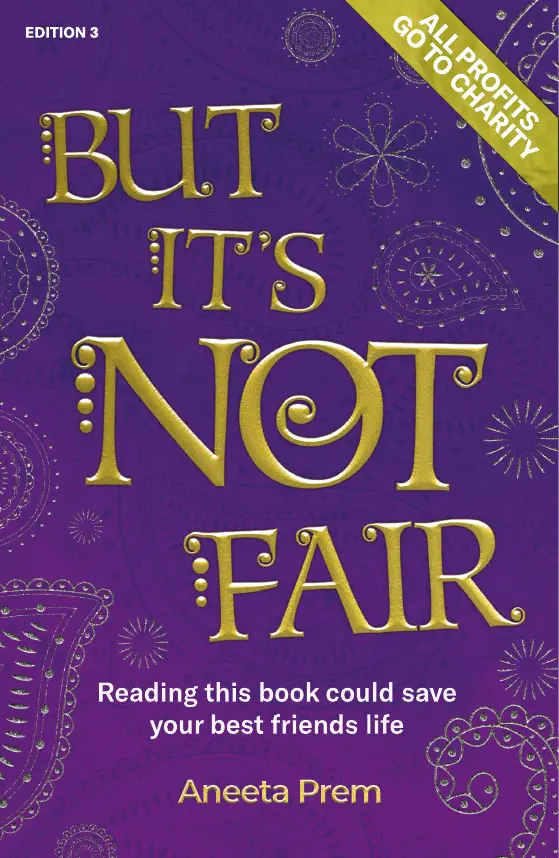
A book-linked situation introduces a yes that needs context; the assessment uses an unfamiliar case.

Important: fiction creates safe distance and insight. It is not evidence of prevalence.

Preparing this lesson…
Teacher View · unique guidance for C1

Prepare

Audience: Core, ages 13–15. Learner time 50–60 minutes; facilitated time may include discussion and pauses.

Prior learning: Foundation choice, evidence and safer-help principles.

Resources: This online lesson, a projector or individual device, optional printed scenario cards, a private question route and the current Help page. Every selection activity has a non-drag alternative.

Before you teach: Establish a no-disclosure climate, confirm the school safeguarding route and DSL readiness, explain confidentiality boundaries, and ensure nobody contacts or mediates with family where forced-marriage risk is suspected.

Teach

Purpose: Build a precise distinction between consent and compliance.

Opening baseline: What makes consent free?

Ask: What happens if each person refuses?

Listen for: Consequences, dependence, fear, isolation, control and continuing consent.

Four distinct activities: baseline, explanatory teaching, application practice, changed-information reassessment and novel transfer.

Respond

Misconception: A yes always settles consent, or only violence counts.

Explanatory correction: Compare the realistic consequences of refusal and the person’s ability to change their mind.

Protect

Safeguarding: Keep all relationship analysis fictional.

Avoid: Personal disclosure or universal checklists.

Disclosure response: Thank you for telling me. I’m going to take what you’ve said seriously. I can’t promise secrecy if somebody may be unsafe. I will share only with people who need to help keep you safe.

Adapt & assess

SEND/EAL and reduced-text: Use a labelled continuum with buttons and short definitions; permit spoken reasoning.

Stretch: Ask for counter-evidence and a fact that would change the judgement.

Evidence of learning: Secure learners apply the consent test; Deep learners revise proportionately when power changes.

Assessment: Emerging identifies relevant ideas; Secure applies evidence and safer help with a reason; Deep acknowledges ambiguity and revises proportionately.