Welcome
Purpose, no required personal disclosure and Help available privately.
English is the authoritative source. Machine translation changes this website page only; it is not a professionally reviewed translation and does not translate the novel. Confirm safeguarding, legal and emergency information with an official service in your country.
More website languages →Translation and accuracy standard →Freedom Education · Read together
Ready-to-use book-club, library and community sessions grounded in story, evidence, ethics, current law and safer help.
Use the 60-minute sessionExact 60-minute session
Purpose, no required personal disclosure and Help available privately.
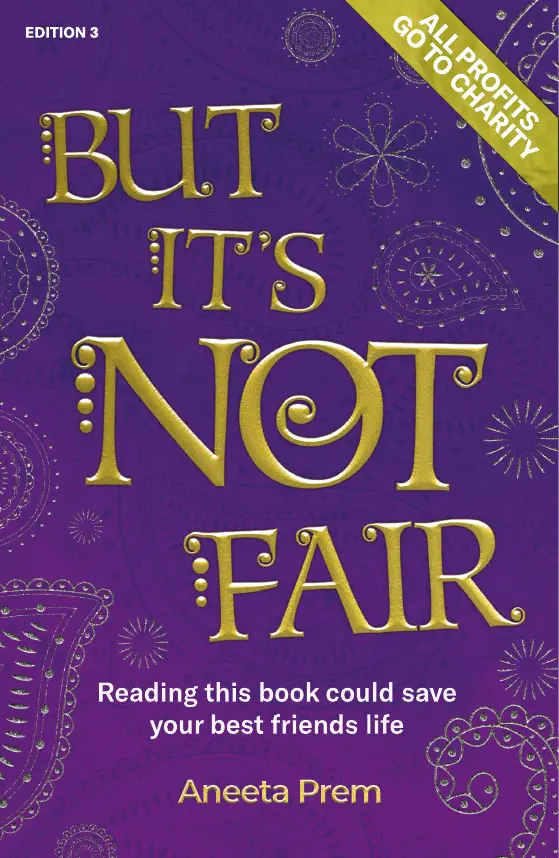
Selected authorised scene or summary: what does the character know and what does the reader assume?
What would make a yes less free?
Fact, inference, assumption or unknown.
How could a friend or adult help without increasing risk?
Current England and Wales summary, clearly separated from fiction.
What would you do and why?
Reflection, Help and further reading.
90-minute extension
Use the complete 60-minute session, then add:
Compare a primary official source, credible research, journalism and an unsupported social claim. State what each can and cannot prove.
Choose a responsible headline, policy question, short briefing or fictional creative response. Do not use personal disclosures.
Optional prompts: How does fiction build empathy? What can it show well? What can it not establish about prevalence? How should media or policy frame the story responsibly?
Library and Community Reading Pack
Safe-discussion opening, disclosure boundary and private Help route.
Complete 60- and 90-minute structures.
Book-linked discussion and fact/inference/assumption/unknown activity.
Direct readers to Education and current Help.
Arranged is not forced; no single religion or culture; identity is not evidence.
Do not investigate, mediate or discuss publicly; follow procedure and specialist advice.
Training or speaker information appears only after the educational session is complete.