Access
Reading options
Translate this website page

English is the authoritative source. Machine translation changes this website page only; it is not a professionally reviewed translation and does not translate the novel. Confirm safeguarding, legal and emergency information with an official service in your country.

العربيةবাংলা中文Françaisहिन्दीਪੰਜਾਬੀEspañolSoomaaliاردو
More website languages →Translation and accuracy standard →

Format · Full interactive lesson

Level · FoundationFor · ages 11–13Time · 55–60 minutesProgress · Lesson 6 of 6

F6

What Would You Do?

You will learn to

  • Apply choice, evidence and safe-help principles to a new fictional case.
  • Explain one way their thinking changed.
  • Create a safe non-disclosing response that communicates learning.
Start or continue

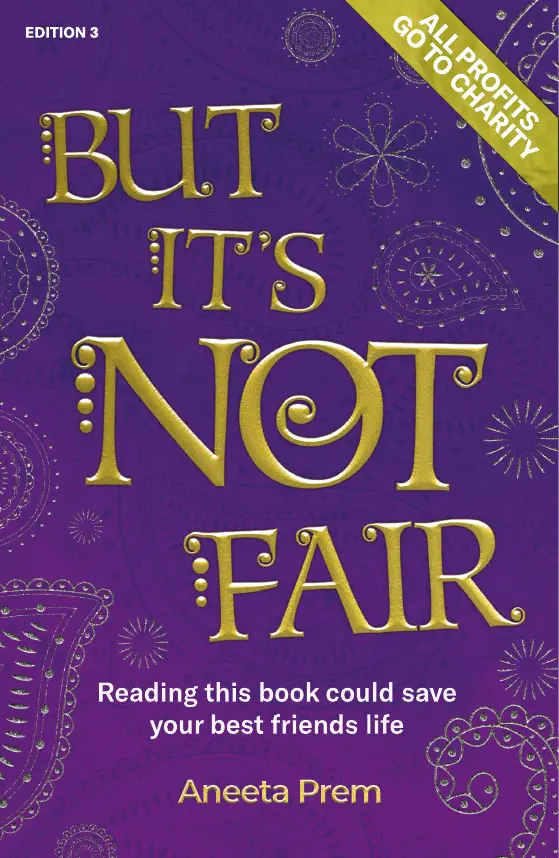
The lesson begins with a book-linked reminder, then uses a completely new transfer case so completion tests learning rather than memory.

Important: fiction creates safe distance and insight. It is not evidence of prevalence.

Preparing this lesson…
Teacher View · unique guidance for F6

Prepare

Audience: Foundation, ages 11–13. Learner time 55–60 minutes; facilitated time may include discussion and pauses.

Prior learning: Foundation F1–F5.

Resources: This online lesson, a projector or individual device, optional printed scenario cards, a private question route and the current Help page. Every selection activity has a non-drag alternative. Optional Create for Freedom brief for poster, poem, short speech, letter or campaign idea.

Before you teach: Establish a no-disclosure climate, confirm the school safeguarding route and DSL readiness, explain confidentiality boundaries, and ensure nobody contacts or mediates with family where forced-marriage risk is suspected.

Teach

Purpose: Assess transfer across the complete Foundation model, then offer safe creative expression without auto-grading it.

Opening baseline: What is the strongest first principle?

Ask: What do we know, what remains unknown and what is the safest next step?

Listen for: Meaningful refusal, evidence discipline, changed judgement and safe support.

Four distinct activities: baseline, explanatory teaching, application practice, changed-information reassessment and novel transfer.

Respond

Misconception: Completion means reaching the end or producing creative work.

Explanatory correction: Return the learner to the specific concept missed and provide a fresh example before retry.

Protect

Safeguarding: Creative work must be fictional, school-mediated and checked for consent, safeguarding, copyright and identifying details.

Avoid: Public child upload, personal disclosure, allegations or competitive scores.

Disclosure response: Thank you for telling me. I’m going to take what you’ve said seriously. I can’t promise secrecy if somebody may be unsafe. I will share only with people who need to help keep you safe.

Adapt & assess

SEND/EAL and reduced-text: Reveal the case in short evidence cards; allow oral reasoning and reduced-text mode.

Stretch: Ask what additional fact would increase or reduce concern and why.

Evidence of learning: Emerging identifies relevant ideas; Secure applies the three-part model; Deep revises judgement and justifies a proportionate action.

Assessment: Emerging identifies relevant ideas; Secure applies evidence and safer help with a reason; Deep acknowledges ambiguity and revises proportionately.