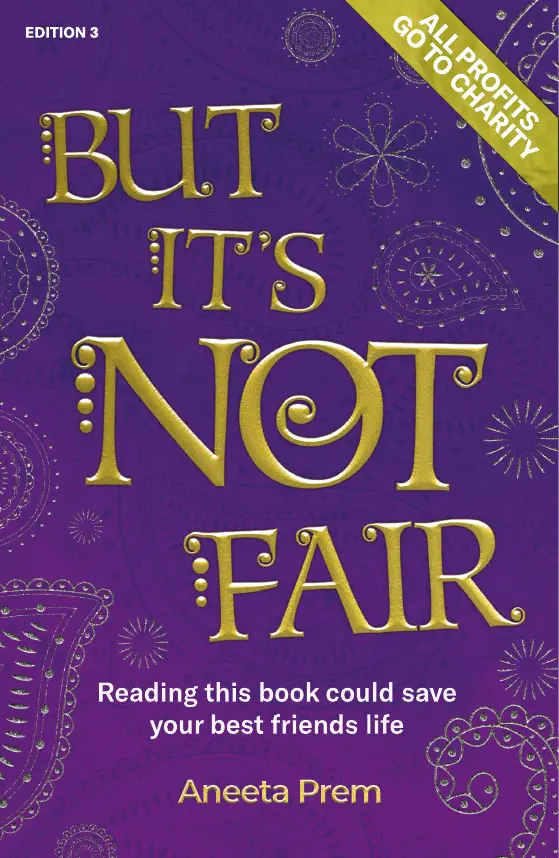
Something Has Changed
Notice → fact, assumption or unknown → safer next step.
English is the authoritative source. Machine translation changes this website page only; it is not a professionally reviewed translation and does not translate the novel. Confirm safeguarding, legal and emergency information with an official service in your country.
More website languages →Translation and accuracy standard →Freedom Education · Students
6 lessons · approximately 5–6 hours
Six story-led lessons about choice, pressure, facts, assumptions and safe help.
You do not need to have read the book. Each lesson gives you the story or fictional case you need.
Start lesson 1Learn the idea, answer a question, read the feedback and then try a new fictional case.
Lesson 3 of 6 · 50–60 minutes
Learn the difference between an arranged marriage and a forced marriage, and why being free to choose matters.
Lesson 4 of 6 · 45–55 minutes
Separate what we know from a guess and from what we do not know yet.
Lesson 5 of 6 · 50–60 minutes
Identify safe and unsafe helping behaviour.
Lesson 6 of 6 · 55–60 minutes
Apply choice, evidence and safe-help principles to a new fictional case.
Optional · 5–12 minutes
These short tasks reinforce a concept. They are not full lessons and do not award lesson completion.
Notice → fact, assumption or unknown → safer next step.
Compare two yeses → consequences of refusal → reconsider.
Classify through consent, never culture.
Map barriers → identify safer support.
Compare support with unsafe intervention.
Need-to-know sharing → changed risk → role boundary.